class="image-magnify-hover"
loading="lazy"
width="2000"
height="2000"
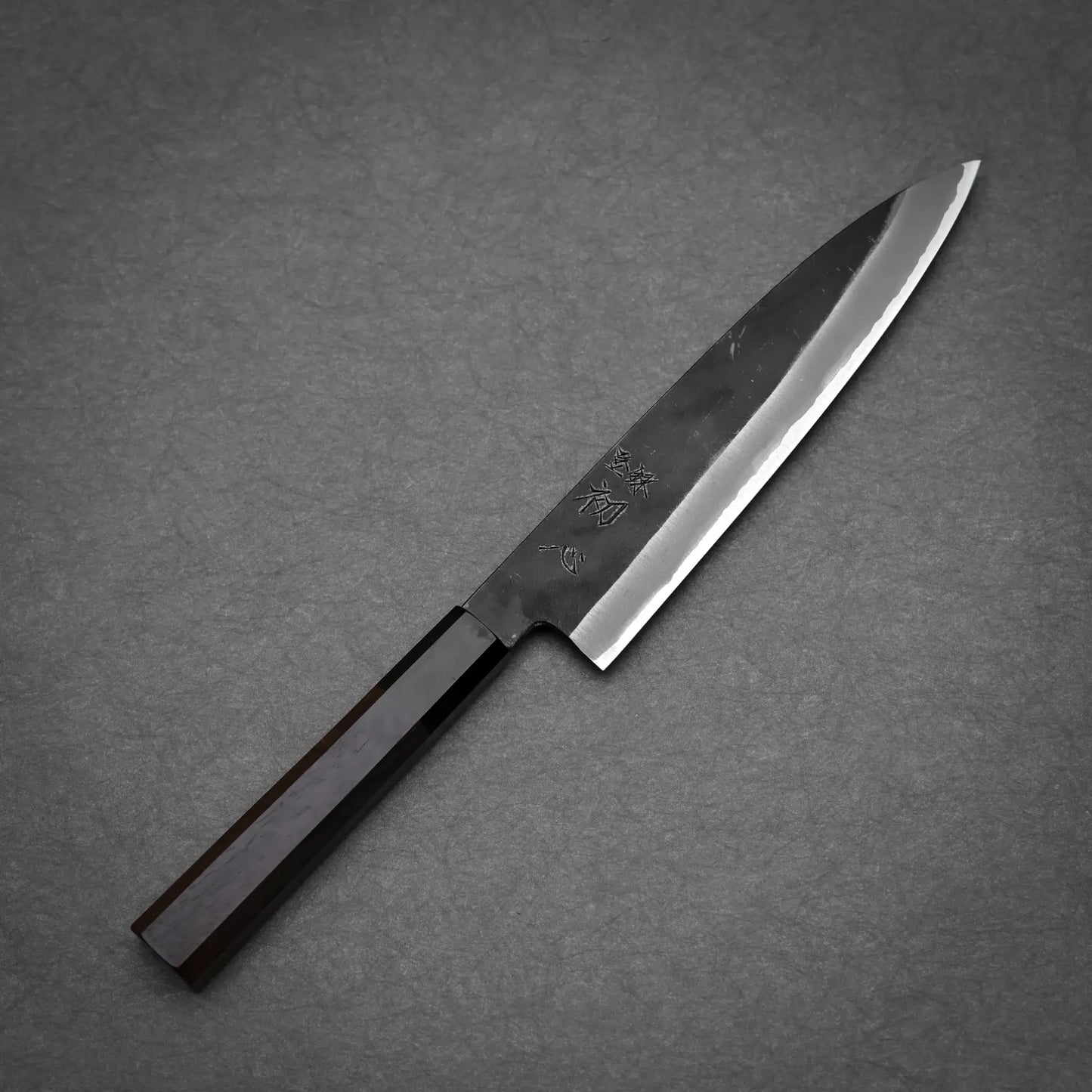
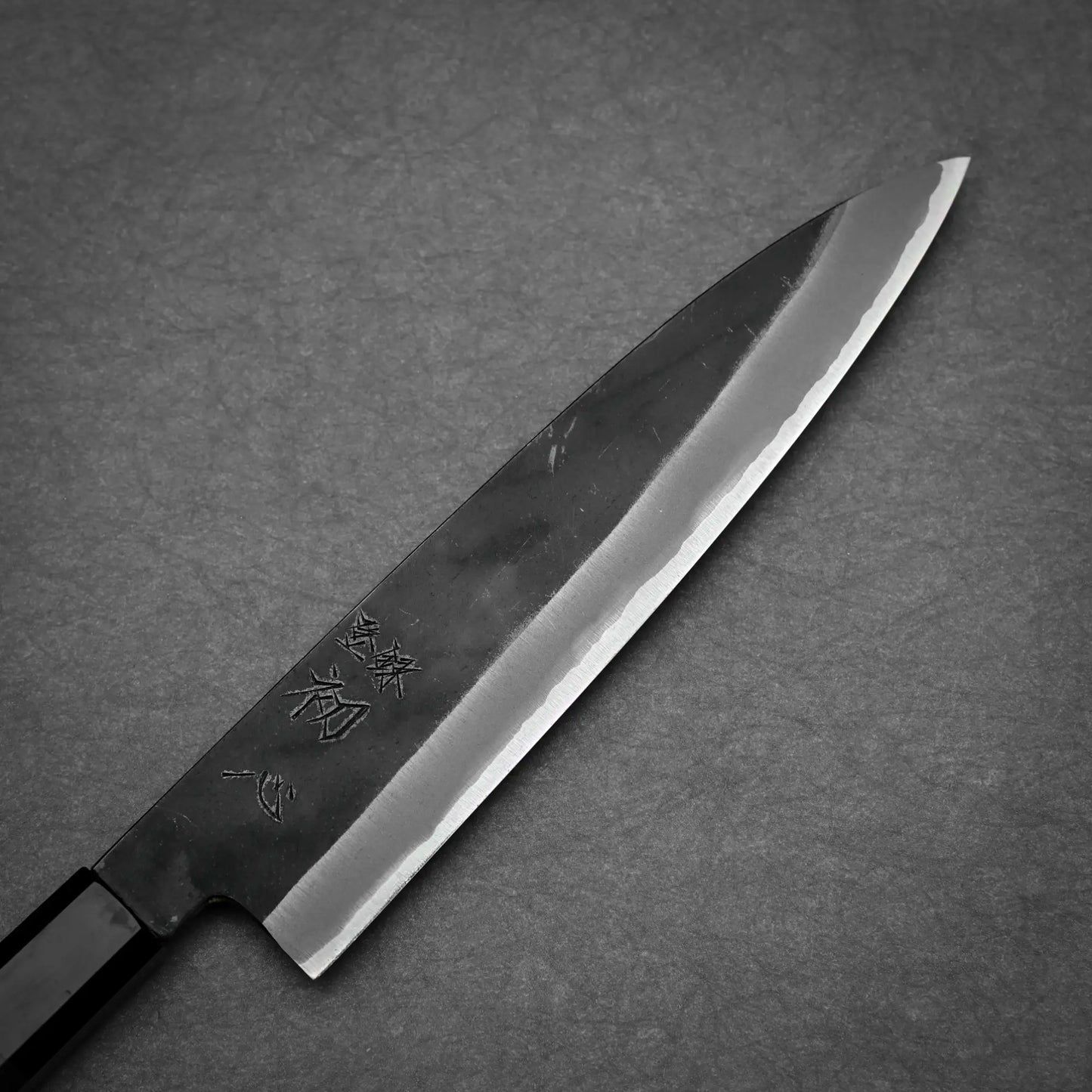
alt="Hatsukokoro Aosagi kurouchi aogami#2 gyuto knife 210mm right side view showing kanji and kurouchi finish"
class="image-magnify-hover"
loading="lazy"
width="2000"
height="2000"
alt="Hatsukokoro Aosagi kurouchi aogami#2 gyuto knife 210mm right side view showing kanji and kurouchi finish"
class="image-magnify-hover"
loading="lazy"
width="2000"
height="2000"
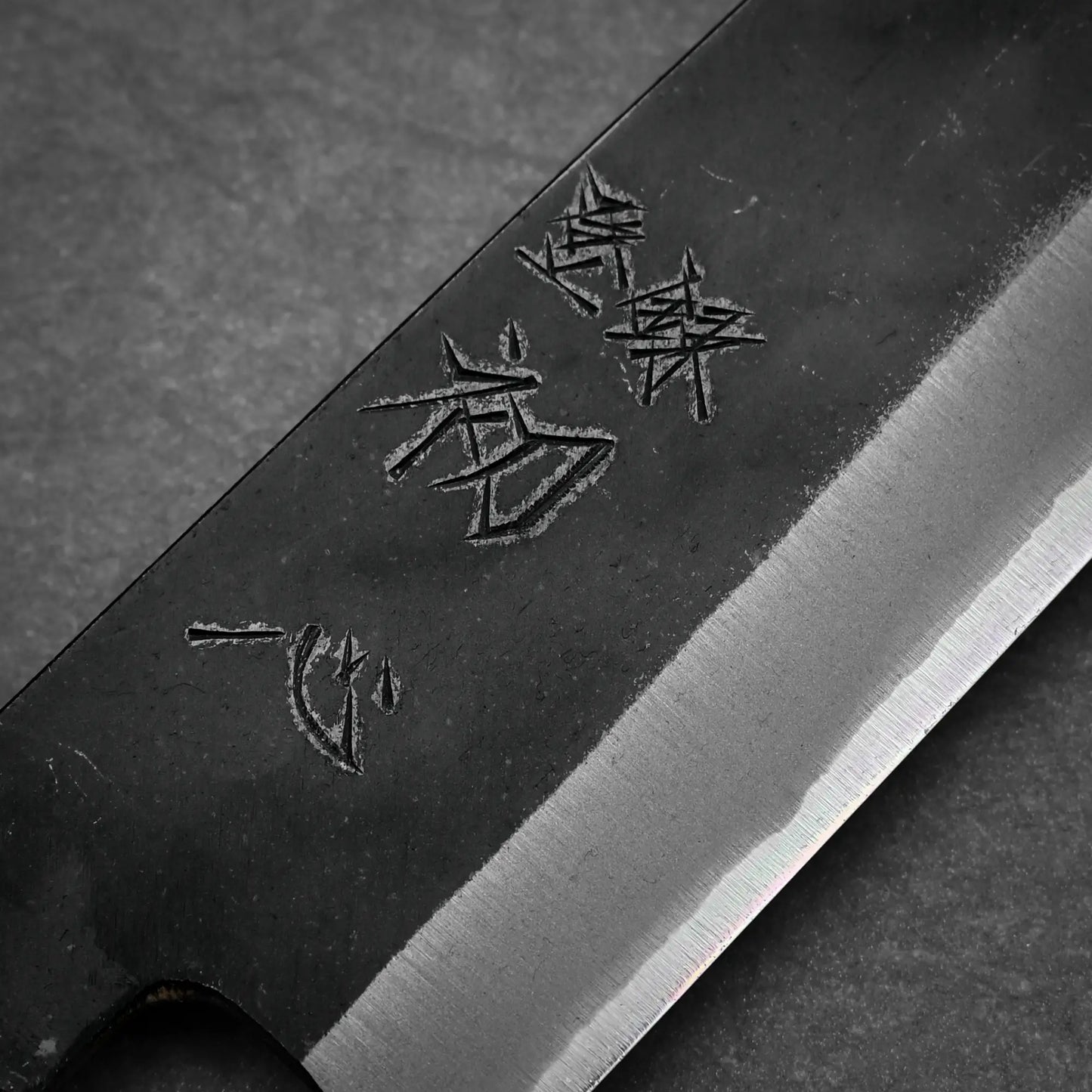
alt="Close up view of Hatsukokoro Aosagi kurouchi aogami#2 gyuto knife 210mm showing kanji"
class="image-magnify-hover"
loading="lazy"
width="2000"
height="2000"
alt="Close up view of Hatsukokoro Aosagi kurouchi aogami#2 gyuto knife 210mm showing kanji"
class="image-magnify-hover"
loading="lazy"
width="2000"
height="2000"
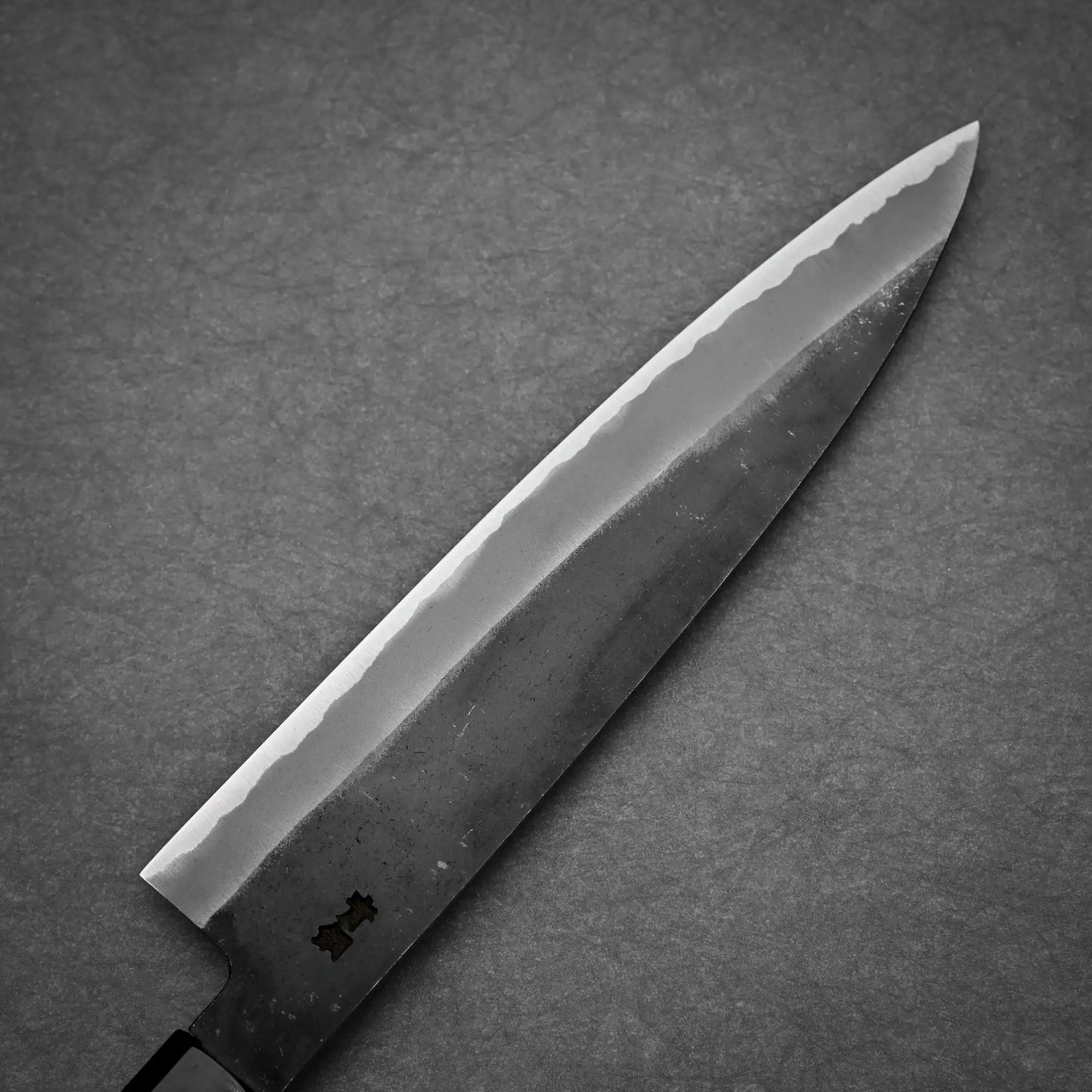
alt="Hatsukokoro Aosagi kurouchi aogami#2 gyuto knife 210mm left side view showing kurouchi finish and kanji"
class="image-magnify-hover"
loading="lazy"
width="2000"
height="2000"
alt="Hatsukokoro Aosagi kurouchi aogami#2 gyuto knife 210mm left side view showing kurouchi finish and kanji"
class="image-magnify-hover"
loading="lazy"
width="2000"
height="2000"
alt="Hatsukokoro Aosagi kurouchi aogami#2 gyuto knife 210mm showing full profile view with original box"
class="image-magnify-hover"
loading="lazy"
width="2000"
height="2000"
alt="Hatsukokoro Aosagi kurouchi aogami#2 gyuto knife 210mm showing full profile view with original box"
class="image-magnify-hover"
loading="lazy"
width="2000"
height="2000"
alt="Close up view of the handle of 210mm Hatsukokoro Aosagi kurouchi aogami#2 gyuto knife "
class="image-magnify-hover"
loading="lazy"
width="2000"
height="2000"
alt="Close up view of the handle of 210mm Hatsukokoro Aosagi kurouchi aogami#2 gyuto knife "
1 / of12
Hatsukokoro Aosagi kurouchi aogami#2 gyuto 210mm
Sale
Sold out
Ships from Tokyo, Japan · Dispatched within 24–48 hours
Worldwide shipping with tracking
20,000円以上のご注文で送料無料
Free shipping on orders over ¥20,000
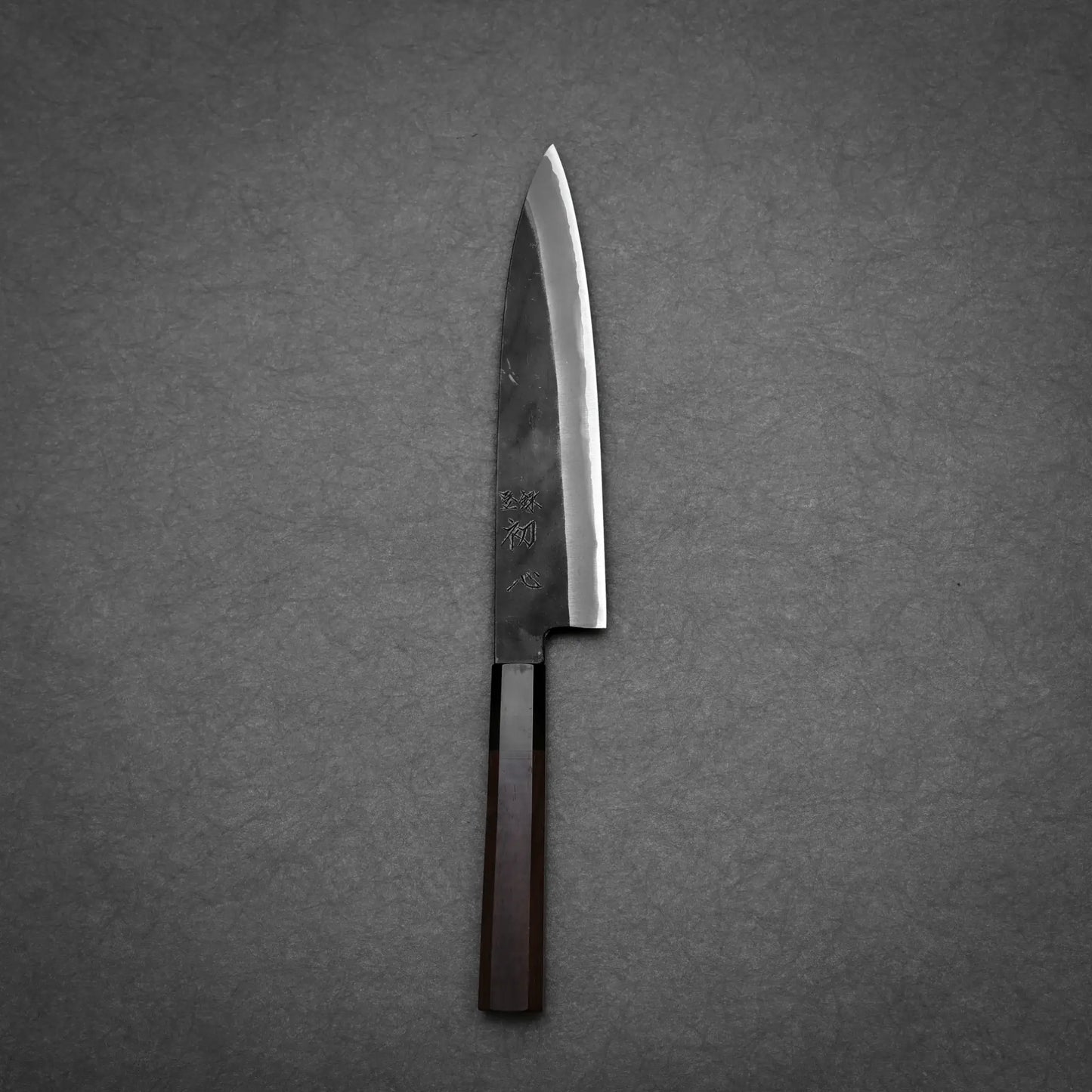
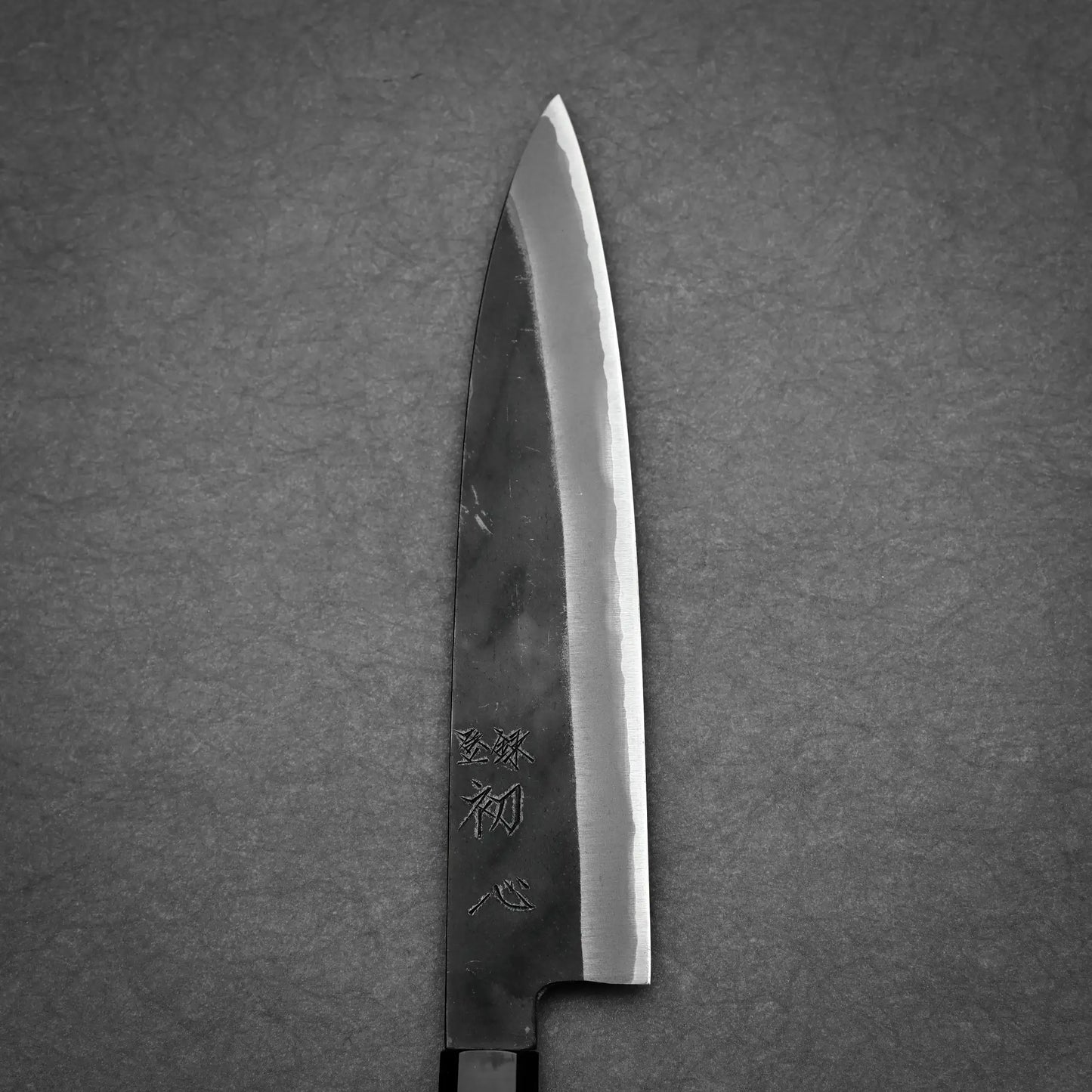
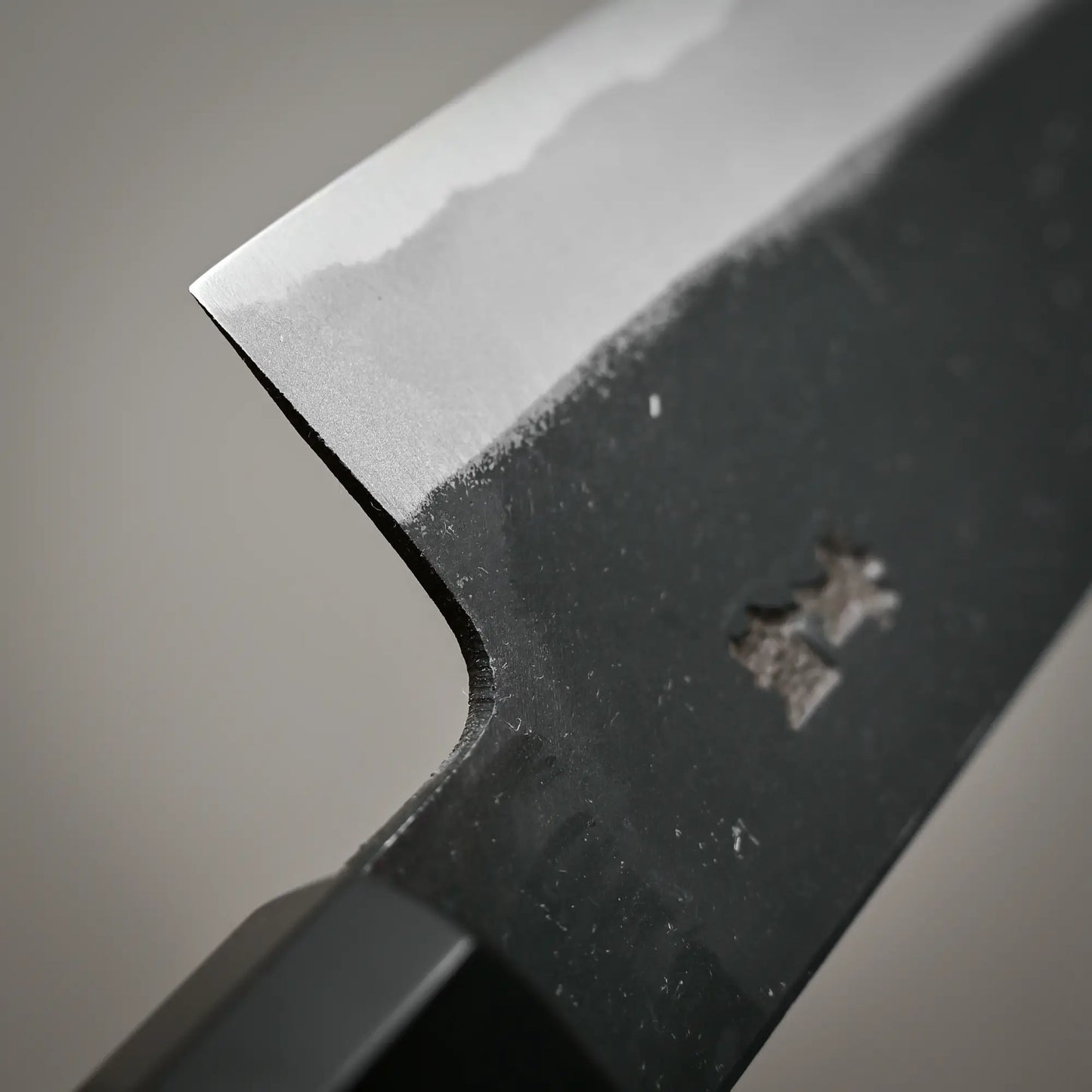
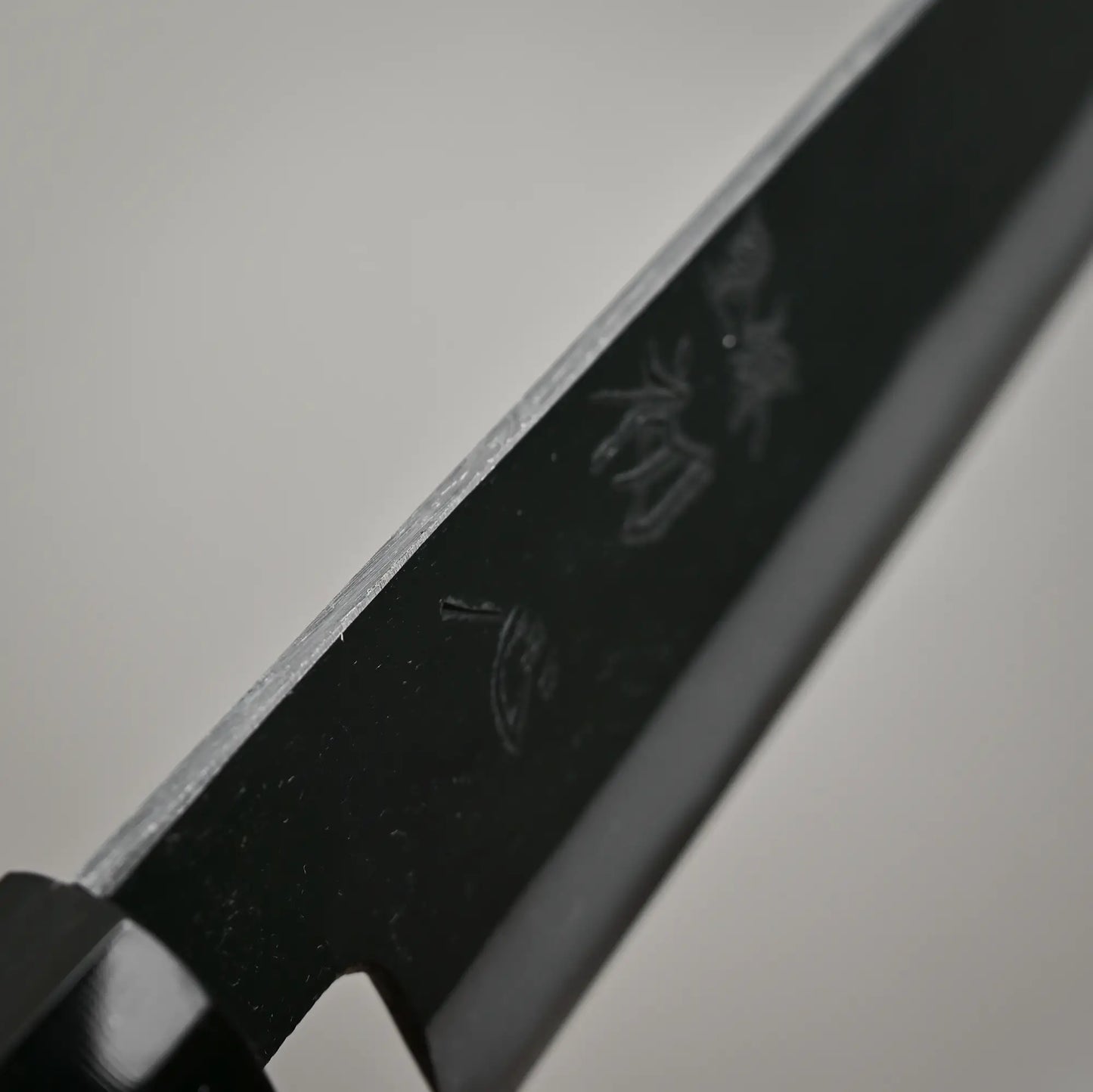
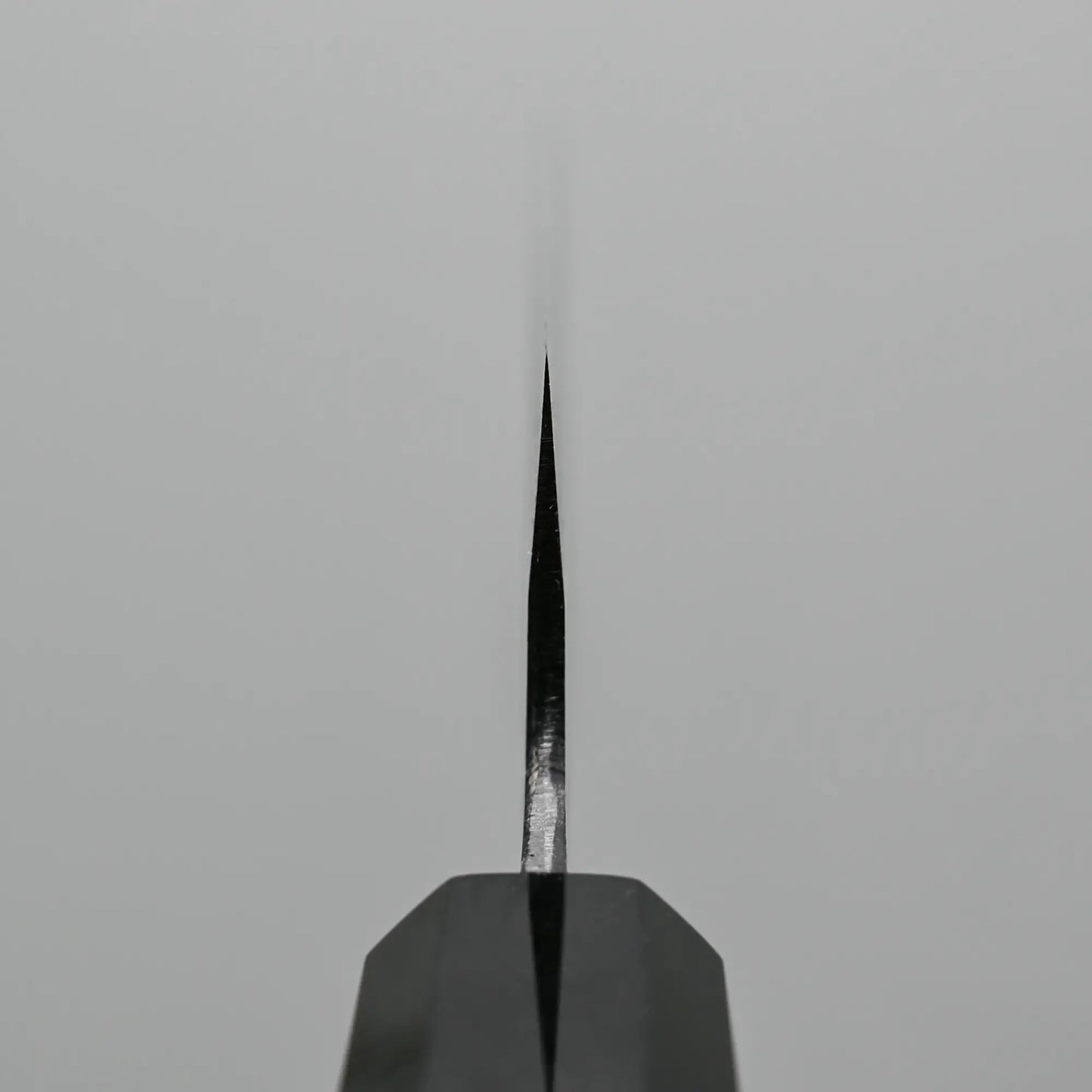
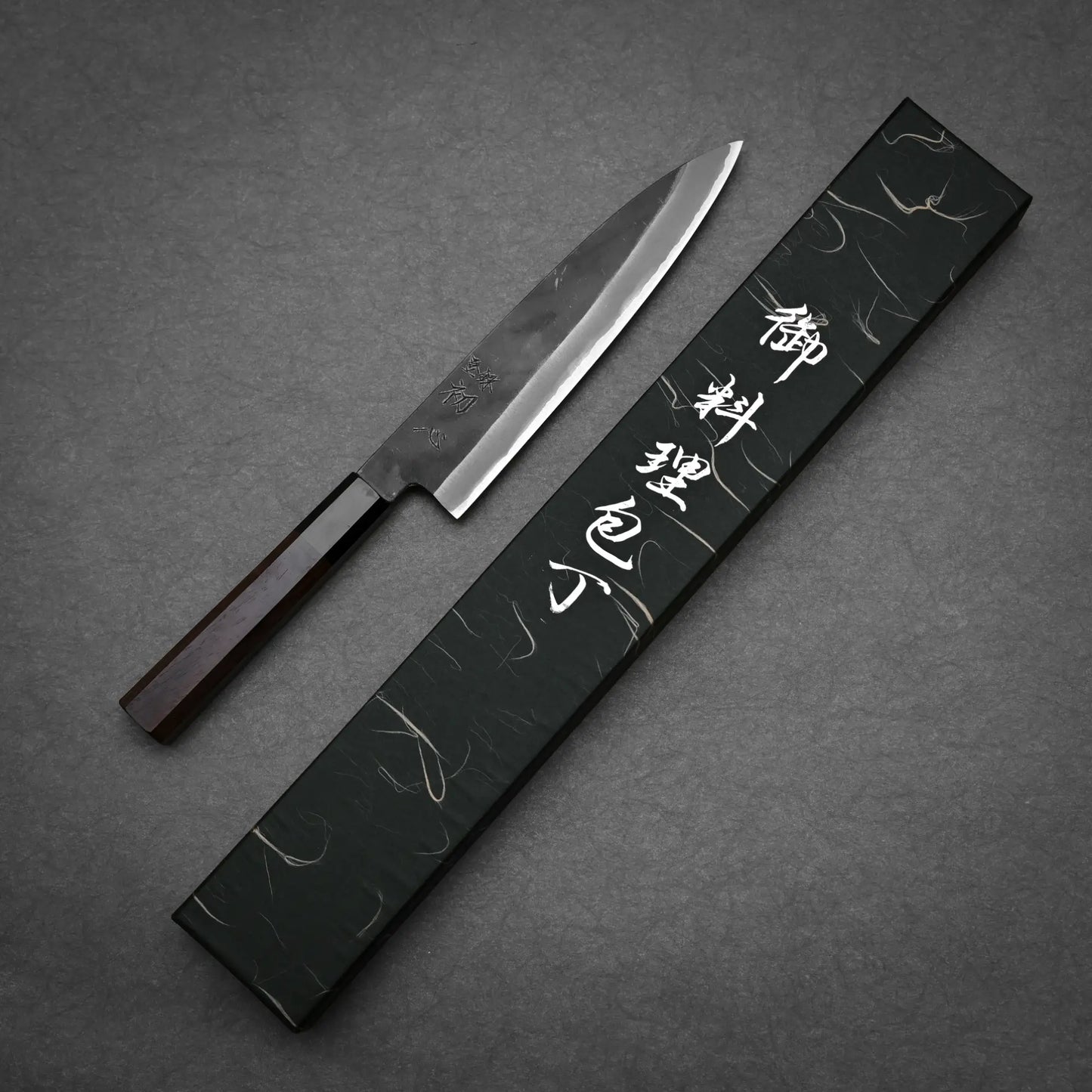
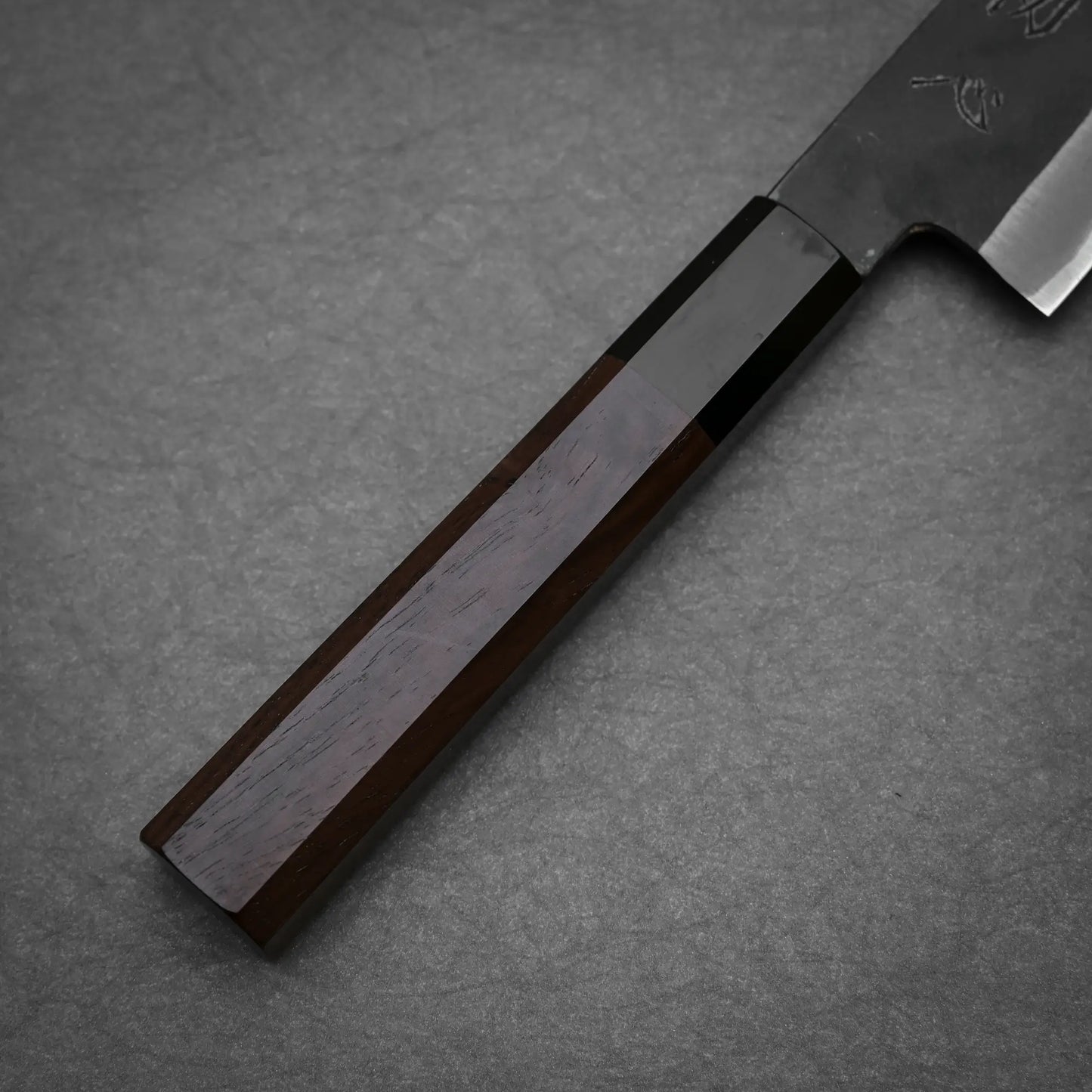
• Made in in Sakai, Japan for Hatsukokoro • 201mm / 7.91" cutting edge length • Aogami#2 core steel by Hitachi Metals Ltd. • Reactive iron cladding develops a protective patina over time • Kurouchi finish for a traditional and rustic look • Octagonal walnut handle with buffalo horn ferrule • Multipurpose knife for home cooks and pro chefs • Ambidextrous design suitable for right- and left-handed users
Overalllength: 349mm Bladelength(heel to tip): 201mm / 7.91" Blade height at the heel: 44.8 Spinethickness: • at the handle: 2.4mm • at the heel: 2.3mm • midway: 2.1mm • 1cm from the tip: 0.6mm Weight: 176g Edge/bevel: 50:50 Handle: octagonal walnut with buffalo horn ferrule Hand orientation: ambidextrous b: Not included
⎯ Note: a. For the care and maintenance of Japanese knives, such as this Hatsukokoro Aosagi kurouchi aogami#2 gyuto knife, please refer to our care guide below. b. Slight measurement variations are common in Japanese kitchen knives. c. Small surface finish variations in knives are a normal part of the handcrafting process. ··•··