class="image-magnify-hover"
loading="eager" fetchpriority="high"
width="1638"
height="1638"
alt="The Sukenari SG2 240mm gyuto with a magnolia saya by Sukenari features a wooden handle and engraved blade, displayed on a dark textured surface, and is renowned for exceptional edge retention."
class="image-magnify-hover"
loading="eager" fetchpriority="high"
width="1638"
height="1638"
alt="The Sukenari SG2 240mm gyuto with a magnolia saya by Sukenari features a wooden handle and engraved blade, displayed on a dark textured surface, and is renowned for exceptional edge retention."
class="image-magnify-hover"
loading="lazy"
width="1638"
height="1638"
alt="A close-up of the Sukenari SG2 240mm gyuto with silver blade and black handle, Japanese characters engraved on the blade, plus a magnolia saya, known for durability, set against a dark, blurred background. Brand: Sukenari."
class="image-magnify-hover"
loading="lazy"
width="1638"
height="1638"
alt="A close-up of the Sukenari SG2 240mm gyuto with silver blade and black handle, Japanese characters engraved on the blade, plus a magnolia saya, known for durability, set against a dark, blurred background. Brand: Sukenari."
class="image-magnify-hover"
loading="lazy"
width="1638"
height="1638"
alt="A close-up of the Sukenari SG2 240mm gyuto with magnolia saya, featuring a sharp blade and wooden handle, highlights the renowned Sukenari craftsmanship against a dark, blurred background."
class="image-magnify-hover"
loading="lazy"
width="1638"
height="1638"
alt="A close-up of the Sukenari SG2 240mm gyuto with magnolia saya, featuring a sharp blade and wooden handle, highlights the renowned Sukenari craftsmanship against a dark, blurred background."
class="image-magnify-hover"
loading="lazy"
width="1638"
height="1638"
alt="Close-up of a Sukenari SG2 240mm gyuto chef knife blade with Japanese characters near the handle, shown against a dark background—crafted by Sukenari and acclaimed for outstanding edge retention; includes a magnolia saya."
class="image-magnify-hover"
loading="lazy"
width="1638"
height="1638"
alt="Close-up of a Sukenari SG2 240mm gyuto chef knife blade with Japanese characters near the handle, shown against a dark background—crafted by Sukenari and acclaimed for outstanding edge retention; includes a magnolia saya."
class="image-magnify-hover"
loading="lazy"
width="1638"
height="1638"
alt="The Sukenari SG2 240mm gyuto (with magnolia saya) by Sukenari stands vertically against a dark background, its pointed blade featuring black Japanese characters that highlight its exceptional edge retention."
class="image-magnify-hover"
loading="lazy"
width="1638"
height="1638"
alt="The Sukenari SG2 240mm gyuto (with magnolia saya) by Sukenari stands vertically against a dark background, its pointed blade featuring black Japanese characters that highlight its exceptional edge retention."
class="image-magnify-hover"
loading="lazy"
width="1638"
height="1638"
alt="A Sukenari SG2 240mm gyuto from Sukenari, featuring a sharp blade and magnolia saya, rests on a dark textured surface. Japanese characters engraved on its side reflect its renowned edge retention."
class="image-magnify-hover"
loading="lazy"
width="1638"
height="1638"
alt="A Sukenari SG2 240mm gyuto from Sukenari, featuring a sharp blade and magnolia saya, rests on a dark textured surface. Japanese characters engraved on its side reflect its renowned edge retention."
class="image-magnify-hover"
loading="lazy"
width="1638"
height="1638"
alt="The Sukenari SG2 240mm gyuto, featuring a stainless steel blade and light wooden handle, displays Japanese engravings near its base. The knife, by Sukenari, is shown resting on a dark textured surface with its magnolia saya."
class="image-magnify-hover"
loading="lazy"
width="1638"
height="1638"
alt="The Sukenari SG2 240mm gyuto, featuring a sharp steel blade and light wooden handle with magnolia saya, rests on a dark textured surface and is renowned for its long-lasting edge retention."
class="image-magnify-hover"
loading="lazy"
width="1638"
height="1638"
alt="The Sukenari SG2 240mm gyuto, featuring a sharp steel blade and light wooden handle with magnolia saya, rests on a dark textured surface and is renowned for its long-lasting edge retention."
class="image-magnify-hover"
loading="lazy"
width="2431"
height="2431"
alt="A close-up, top-down view of the Sukenari SG2 240mm gyuto (with magnolia saya) blade against a plain white background, with the blade centered vertically and casting a subtle shadow."
class="image-magnify-hover"
loading="lazy"
width="2431"
height="2431"
alt="A close-up, top-down view of the Sukenari SG2 240mm gyuto (with magnolia saya) blade against a plain white background, with the blade centered vertically and casting a subtle shadow."
1 / of9
Sukenari SG2 240mm gyuto (with magnolia saya)
Sale
Sold out
Ships from Tokyo, Japan · Dispatched within 24–48 hours
Worldwide shipping with tracking
20,000円以上のご注文で送料無料
Free shipping on orders over ¥20,000
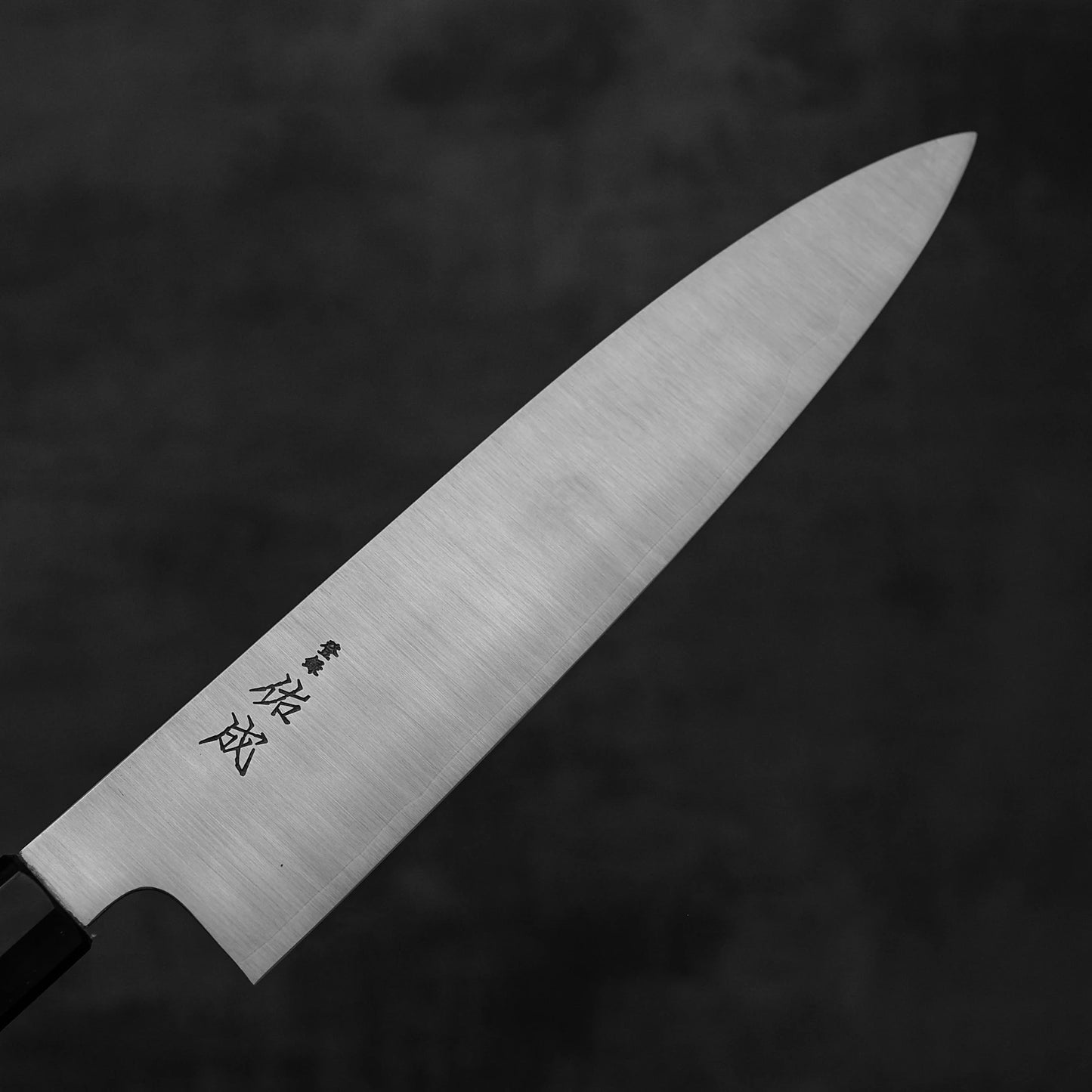
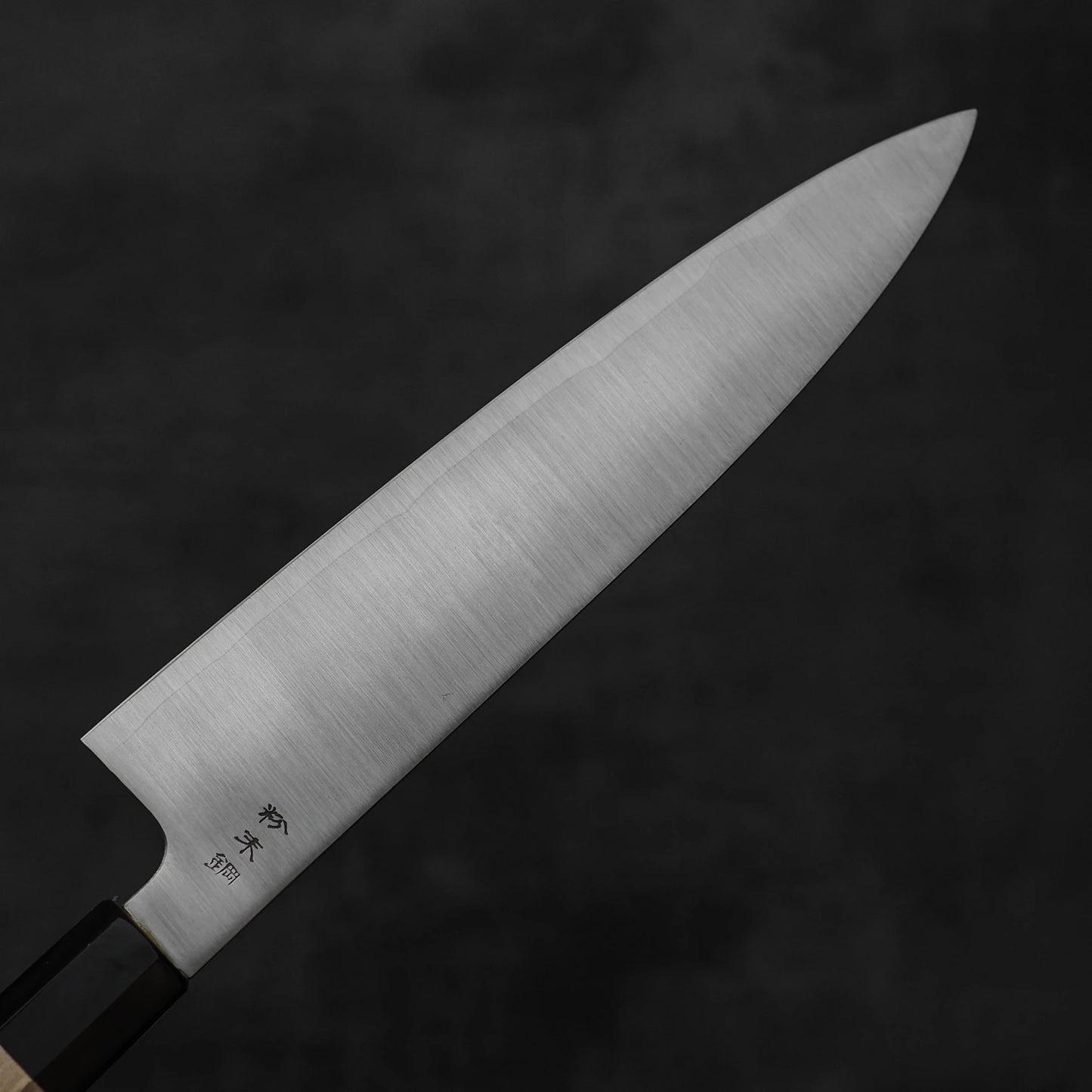
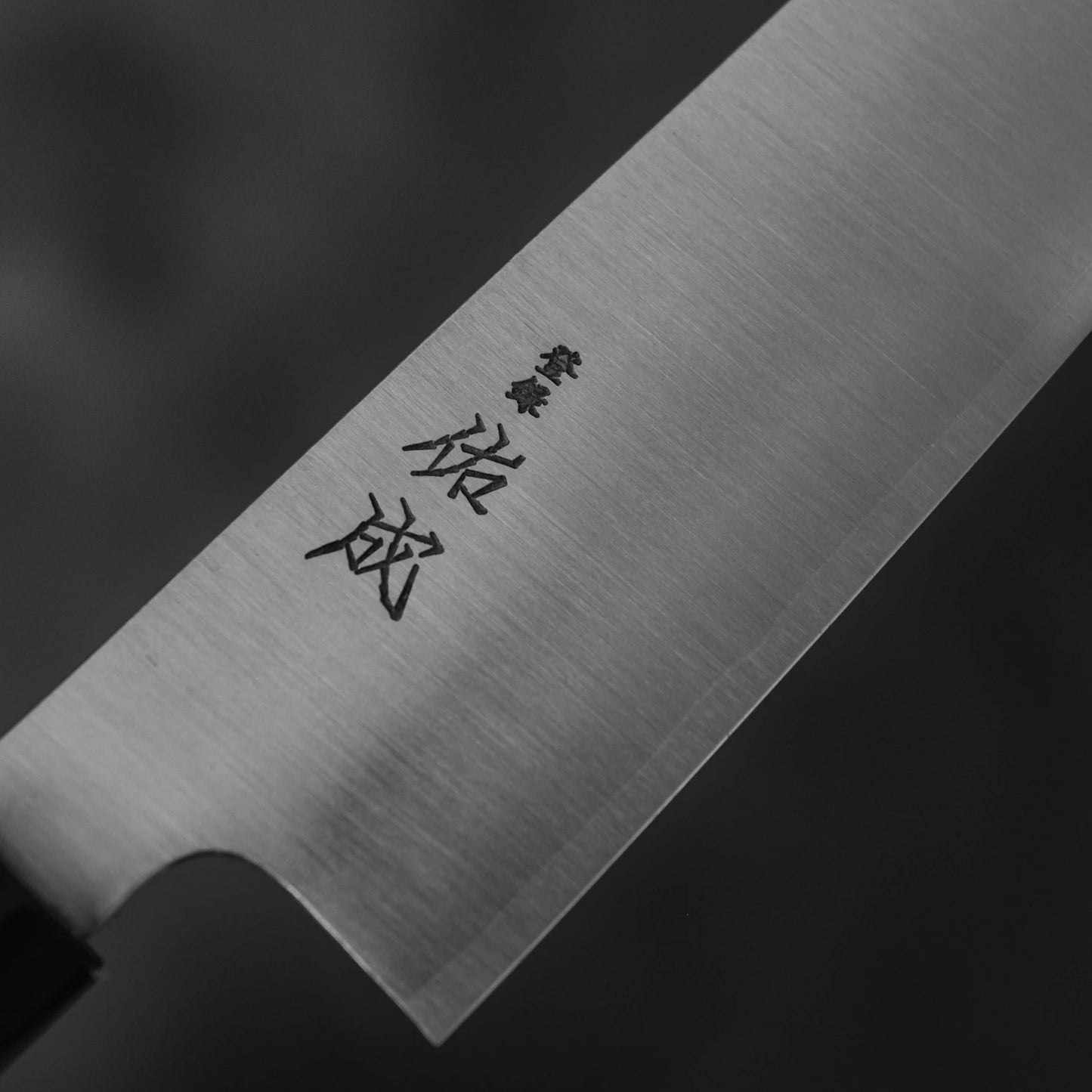
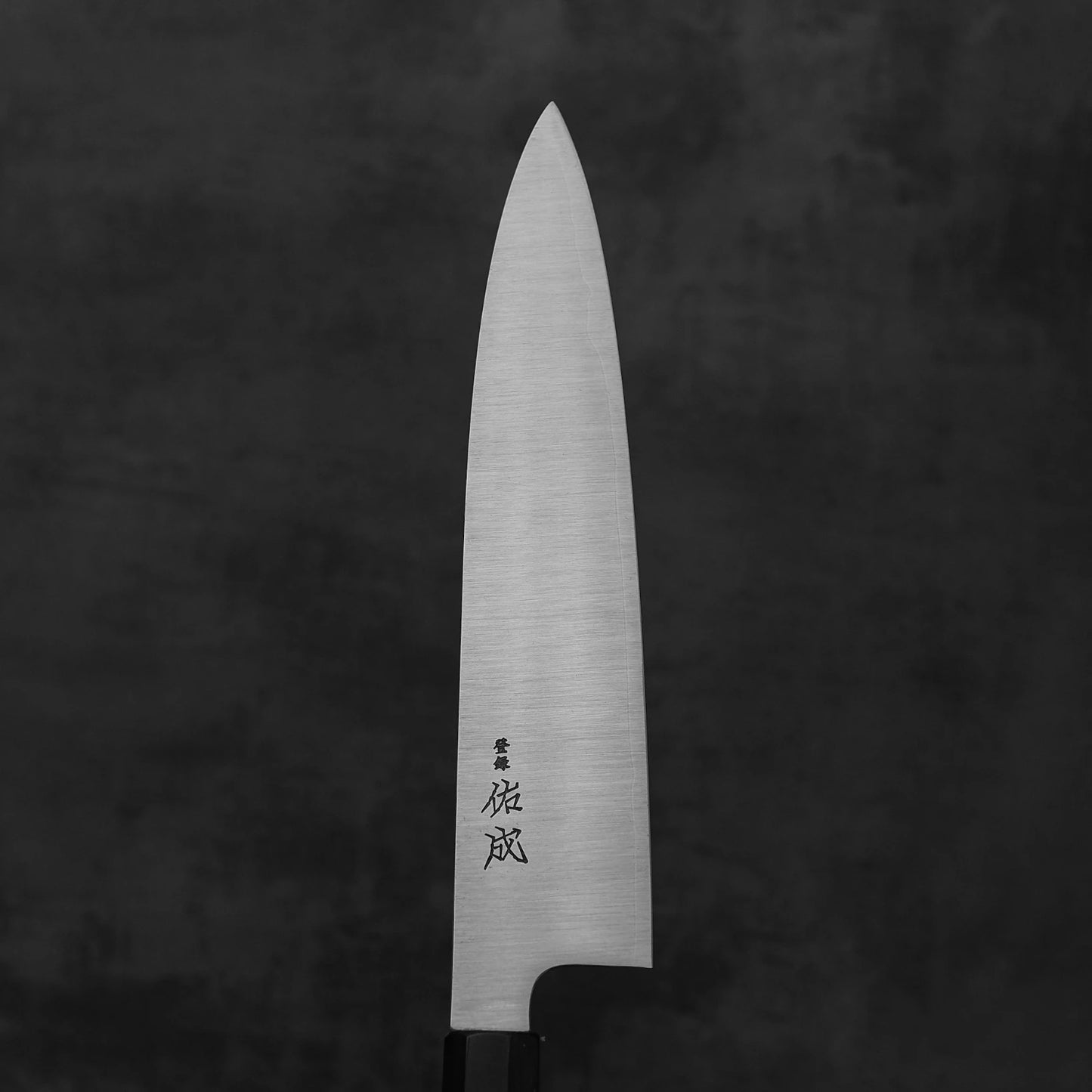
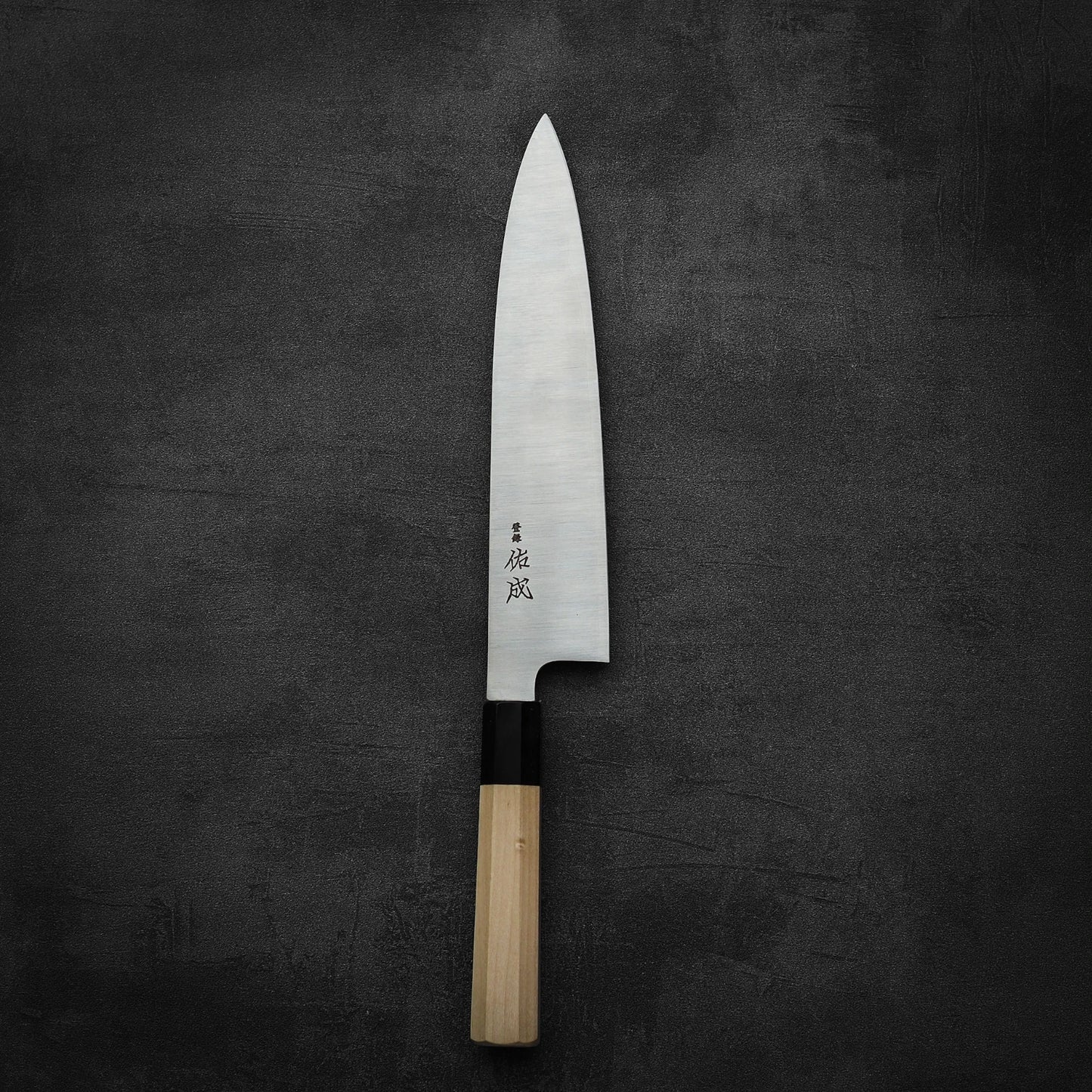
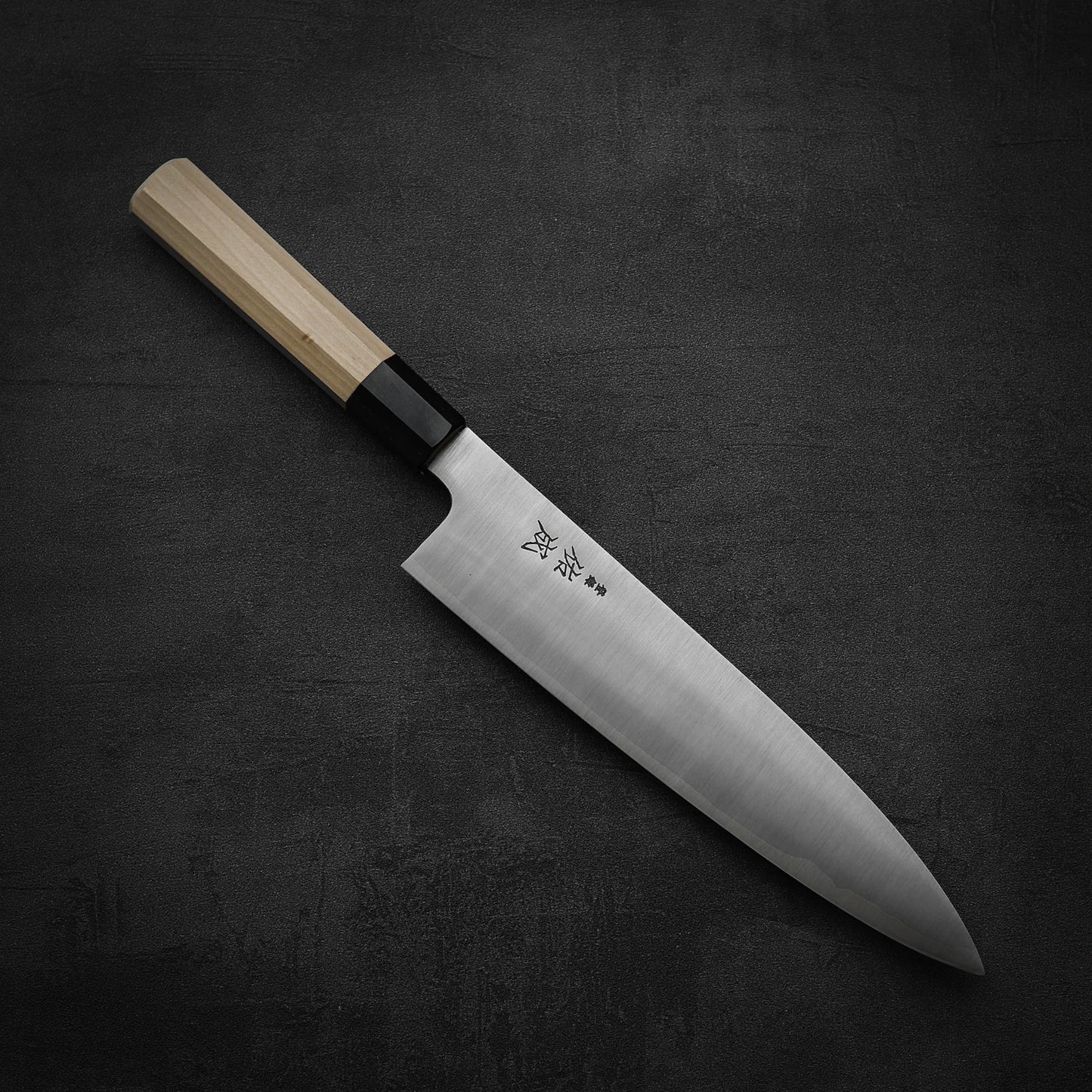
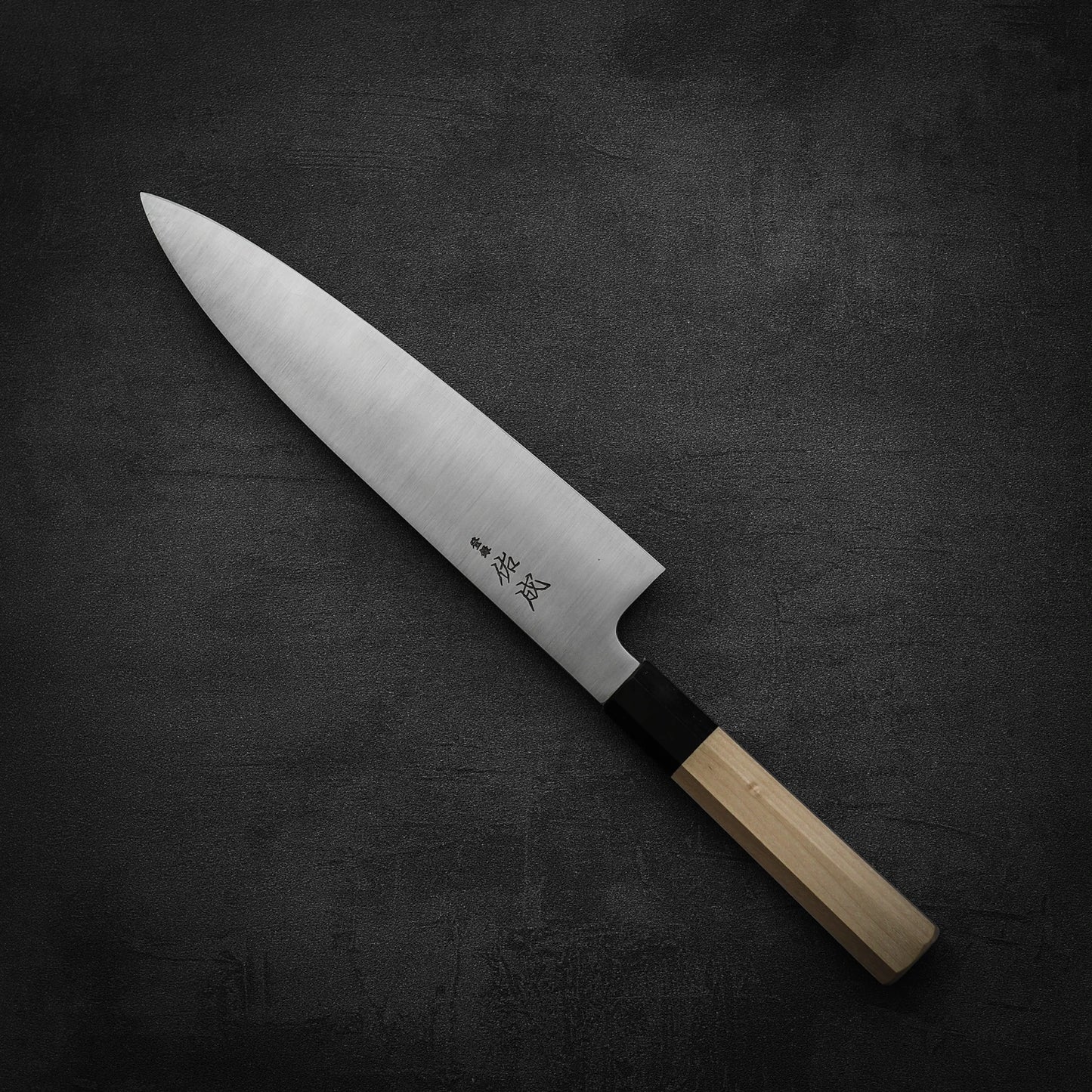
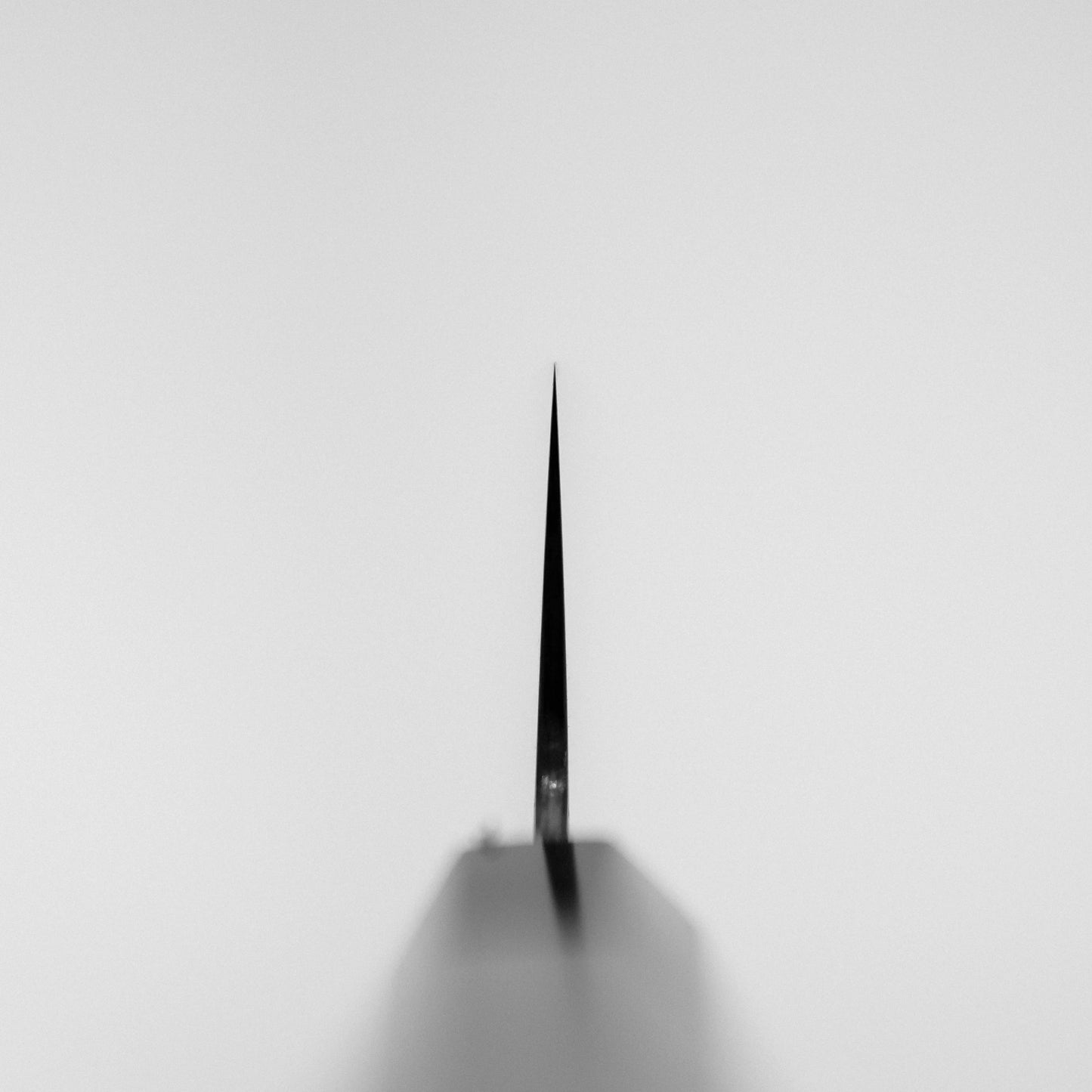
The Sukenari SG2 240mm gyuto is a versatile kitchen knife suited for slicing, chopping, and general prep work. It uses an SG2 stainless steel core hardened to 63 HRC. The blade has a migaki finish that gives it a clean and simple appearance. The thin convex grind helps food move smoothly away from the blade during use. The profile is thin but not fragile, which makes the knife suitable for both home cooks and professionals. It is fitted with an octagonal magnolia handle and comes with a magnolia saya for storage.
Sukenari was founded in 1933 in Toyama, Japan. The workshop combines traditional forging methods with modern steel and is known for working with materials such as SG2, ZDP-189, and HAP-40. The third generation of the Hanaki family leads the forge today. Their approach is shaped by steady, methodical craftsmanship and ongoing collaboration with professional chefs.
Details
Brand: Sukenari
Blacksmith: Nobuo Hanaki
Location: Toyama, Japan
Knife type: gyuto
Core steel: SG2
Steel type: stainless
HRC: 63
Finish: migaki
Blade and Handle Specs
Total length: 384mm
Blade length - heel to tip: 232mm
Blade height at heel: 50.4mm
Spine thickness:
at the handle: 2.5mm
at the heel: 2.5mm
midway: 2.1mm
1cm from the tip: 0.9mm
Weight: 182g
Edge/bevel: 50:50
Handle: octagonal magnolia
Ferrule: buffalo horn
Hand orientation: ambidextrous
Saya/ sheath: included
Reminder: Migaki finishes can show fine scratches over time. Sliding the magnolia saya on and off may create light hairline marks on the blade surface. This is normal.
Notes:
a. For the care and maintenance of Japanese knives, such as this Sukenari SG2 240mm gyuto, please refer to our care guide below. b. Slight variations in measurements and surface finish are typical in hand-forged Japanese knives. c. Minor cosmetic variations such as light surface marks or fine scuffs are common in handcrafted blades.